hocks thoughts
Quotes, Humor, Helpful Household Tips, Famous Sayings, Thoughts,
Interesting Facts, History, Fun Quizzes

a
september
9/7 - Labor Day is a creation of the labor movement and is dedicated to the social and economic achievements of American workers. The first Labor Day parade was celebrated on Tuesday, September 5, 1882, in New York City. In 1884, the first Monday in September was selected as a "workingman's holiday". The first state to pass Labor Day as a holiday was Oregon on February 21, 1887.
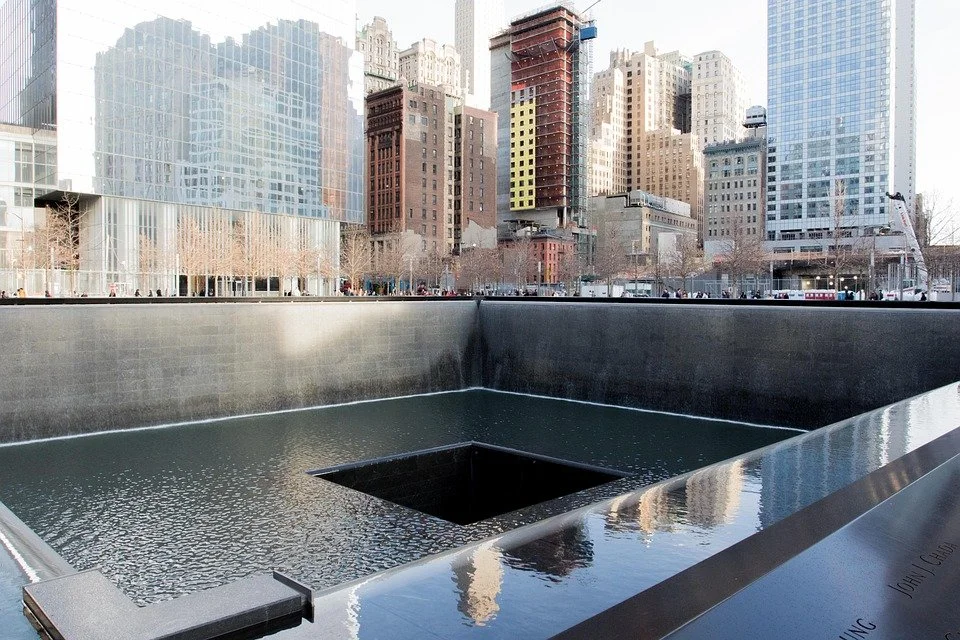
9/11 – September 11, 2001 was the single largest loss of life from a foreign attack on American soil. On September 11, 2001, a group of Islamic terrorists, widely believed to be part of the Al Qaeda network, hijacked three commercial airliners in midair, and deliberately crashed them into the Pentagon (killing 184 people) and the Twin Towers of the World Trade Center in Manhattan (killing 2,996 people). Only 18 people were rescued alive from the rubble of the World Trade Center site. World Trade Center Memorial Pool
During the aftermath of 9/11, Search and Rescue Dogs found so few living people,
that it caused them great stress because they believed they had failed. Handlers
and rescue workers regularly hid in the rubble in order to give the rescue dogs a
successful find, and keep their spirits up.
The rescue and recovery clean-up of the 1.8 million tons of wreckage from the
World Trade Center site took 9 months. WE REMEMBER
Several remembrance events and programs are taking place in New York City on September 11, 2026, including:
Table of Silence Project 9/11: An annual free outdoor public performance ritual at Josie Robertson Plaza starting at 8:00 AM as a call for peace.
Notes of Tribute: An evening reflection event featuring music and light at The Green-House at Green-Wood in Brooklyn starting at 7:00 PM.
Art & Advocacy: Wake of 9/11: A museum discussion exploring visual storytelling and crisis at the Society of Illustrators beginning at 6:30 PM.
Survivor Tree Paper Leaves: Visitors can decorate paper leaves with messages of hope at the 9/11 Memorial plaza.
25 Years Later: 9/11 Memorial: A musical benefit event for the UFA 9/11 Widows and Children Fund hosted at B Scene starting at 6:00 PM.
9/13- Grandparents Day, celebrated the first Sunday after Labor Day, since August 1978, is a day to honor grandparents. This day gives us a chance to publicly affirm the identity and importance of grandparents, and to remind grandchildren that grandparents do play a vital role in families.
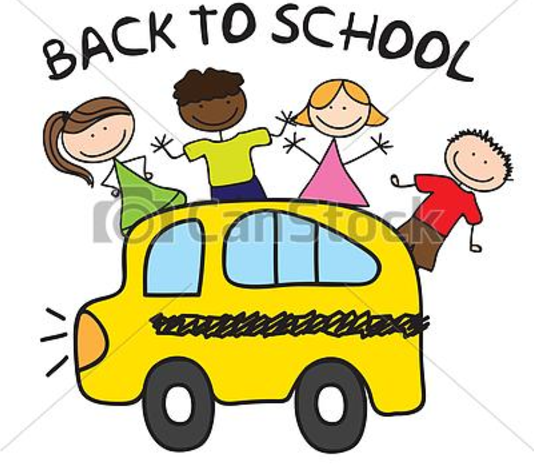
Back to School, most kids in the United States are returning to school this month, after the summer break. On average, a US family will spend approximately $863.86 to get a child ready for back to school.
As you can imagine, back-to-school shopping was much different in the 19th and early 20th centuries. You wouldn’t find many notebooks in classrooms during the 1800s, and backpacks weren't even invented until 1930. Paper and ink were expensive, so most kids wrote on slates. These slates were miniature chalkboards that kids took home to practice their lessons.
One room schoolhouses were the norm in rural areas. A single teacher taught grades one through eight together. Teaching was often a group effort, with the older students helping to instruct the younger children. The teacher taught every subject, including reading, writing, arithmetic, history, grammar, rhetoric, and geography, etc. Students would memorize their lessons, and the teacher would bring them to the front of the room, as a class, to recite what they’d learned. The room was heated by a single wood stove.
There was no transportation to get to school. Most schoolhouses were built to serve students living within 4 or 5 miles, which was considered close enough for them to walk.
At some schools, boys and girls entered through separate doors; they were also kept separate for lessons.
The school year was much shorter back then. Students attended school for about 132 days (the standard year these days is 180) depending on when they were needed to help their families harvest crops.
For many, education ended after just eighth grade. In order to graduate, students would have to pass a final exam.
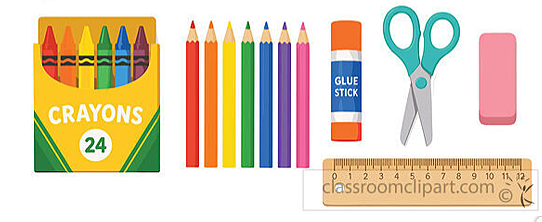
Back to school supplies most commonly required today: No. 2 pencils, ballpoint or gel pens, pink erasers, pencil case or pouch, spiral notebooks, two-pocket folders, highlighters, crayons, colored pencils, washable markers, glue sticks, safety scissors, plastic ruler, index cards, sticky notes, 3-ring binder, student planner, scientific calculator, reusable water bottle, and a backpack!